
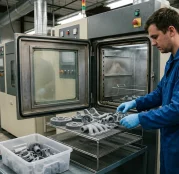
Chemical Vapor Smoothing (PostPro 3D) Guide | 3D-P.eu
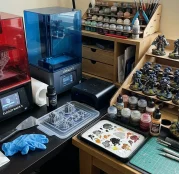
Best Resin 3D Printers for Warhammer Miniatures | 3D-P.eu
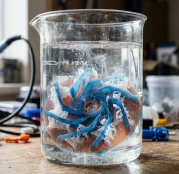
Soluble 3D Print Supports — PVA & HIPS Dissolving Guide | 3D-P.eu
Latest News
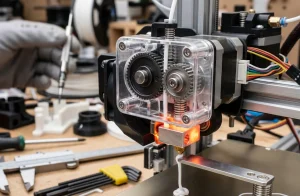
3D Printer Extrusion Troubleshooting: Under-Extrusion, Clogs & Slipping Fixes
Troubleshooting 3D Printer Extrusion: Diagnosing and fixing 3D printer extrusion failures requires identifying whether the issue stems …
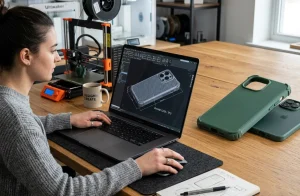
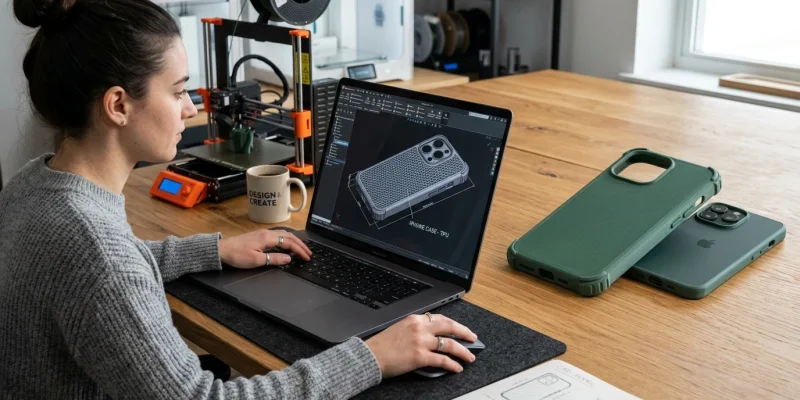
How to Create an iPhone Case Using 3D Printer CAD: Step-by-Step
How to Create an iPhone Case Using 3D Printer CAD: Designing a custom 3D printable iPhone case …
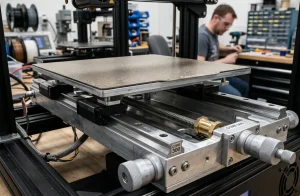
3D Printer Stage Explained: Build Platforms & Kinematic Mechanics
3D Printer Stage: In additive manufacturing, the 3D printer stage (also termed the build stage or z-axis …
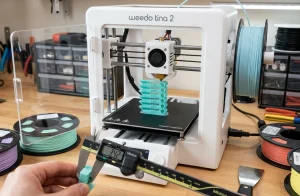
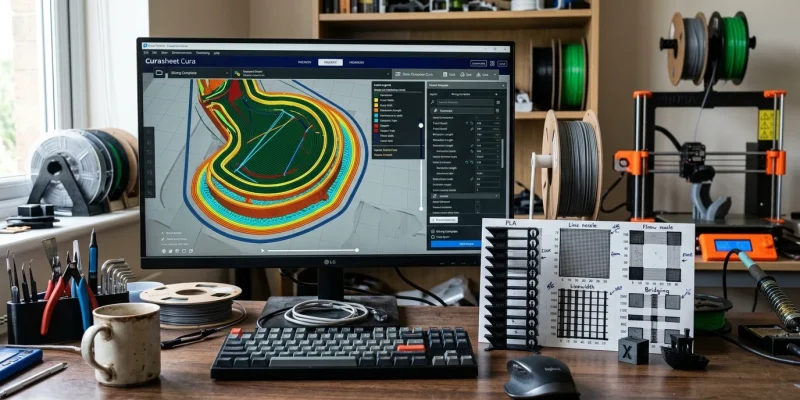
Tina 2 Nozzle Temperature Test: Optimal Slicer Heat Settings
Tina 2 Nozzle Temperature Test: Performing a nozzle temperature tower test on the Weedo / Entina Tina …
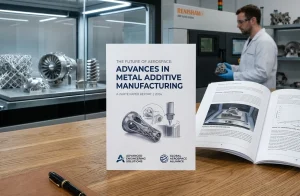
3D Printing White Paper: Industrial Additive Manufacturing Guide
3D Printing White Paper: This technical additive manufacturing white paper synthesizes the seven core ISO/ASTM 52900 process …
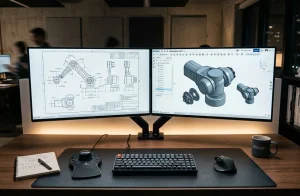
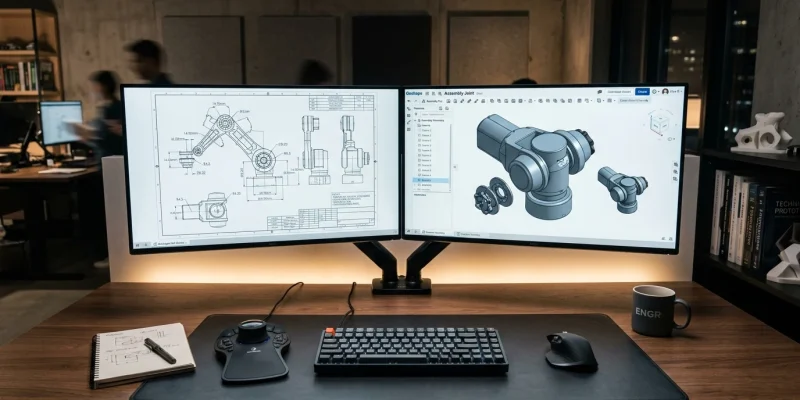
Can Onshape Be Used for 2D CAD? Drafting Workflows & DXF Export
Can Onshape Be Used for 2D CAD? While Onshape is primarily a cloud-native 3D parametric modeling platform, …
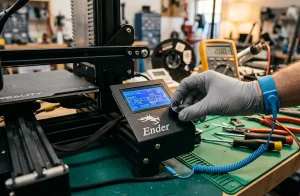
Ender 3 Not Responding to Knob During Printing? Fix Freeze & Lag
Ender 3 Not Responding to Knob During Printing: If your Creality Ender 3 rotary encoder knob freezes …
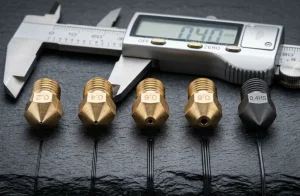
The Effects of 3D Printer Nozzle Diameter on Speed, Strength, and Detail
3D print nozzle diameter effects govern the volumetric flow rate, layer adhesion mechanics, maximum print speed, and …
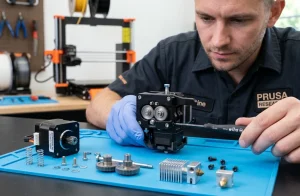
How to Safely Remove and Disassemble a 3D Printer Extruder Segment
Extruder segment removing is the mechanical disassembly process of detaching the drive motor, tension idler, dual drive …
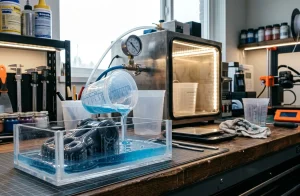
Silicon Mould Tools for 3D Printing: Complete Workflow
Silicon mould tools for 3D printing refer to the dedicated equipment, chemical release agents, degassing chambers, and …
The Ultimate Guide to 3D Printing
3d printing is revolutionizing the way we create, from rapid prototyping to final production parts. Also known as additive manufacturing (aditivní výroba) or 3d tisk, this process builds objects via layer-by-layer fabrication, contrasting sharply with traditional subtractive manufacturing methods.
Quick Answer
3D printing is a manufacturing process that creates three-dimensional objects from a digital file using 3D printing technologies like Fused Deposition Modeling (FDM), Stereolithography (SLA), and Selective Laser Sintering (SLS). It is widely used for rapid prototyping, jigs and fixtures, medical implants, dental aligners, and even prosthetics.
Software & Brands
Creating a model starts with CAD (Computer-Aided Design) software such as Tinkercad or Autodesk Fusion 360. Once the model is ready, a Slicer or Slicing software converts it into G-code for the 3D printer. Industry leaders like Prusa Research and the open-source RepRap community have made these tools accessible to everyone.
Material Selection Economics & Lifecycle
Choosing the right 3D printer filament is critical. Options range from Thermoplastic filament like PLA, ABS, PETG, and TPU, to Photopolymer resin for SLA, and Nylon powder for SLS. For SMEs, understanding the cost per part and the ROI transition point between 3D printing and injection molding is essential for profitability.
The "Hidden" Post-Processing Workflow
Resin 3D printing and even FDM require significant post-processing. This includes support structure removal, IPA washing & UV curing for resins, and acetone vapor smoothing for ABS parts. This step is crucial for achieving the desired finish and mechanical properties.
Beginner Failure Modes
New users often face practical troubleshooting challenges. The top 3 issues are first-layer bed adhesion, filament stringing, and nozzle clogging. Mastering bed leveling and temperature settings can mitigate most of these beginner failure modes.
Sustainability & Recycling
As 3D printing grows, so does the need for sustainability. While PLA is marketed as biodegradable, its biodegradability limits require specific industrial composting conditions. Fortunately, desktop filament recycling systems are emerging to turn failed prints back into usable material.